This is an account of my trip in 2016.
Medellín has many things to attract foreign tourists: a unique transit system, friendly people and a warm climate. I visited Colombia’s second-largest city in 2016. I went there to give an ESG workshop. When I read about how this city’s urbanism was capturing the imagination of many, I decided to make a trip out of it.
Medellín had been ranking highly in numerous rankings for its smart city investments and social innovation policies. It has a modern metro system, which stands out among large Latin American cities. For instance, Lima has an inadequate public transit system for a city of its size. Medellín also used transit infrastructure to help break down barriers for those living in the city’s poorest quarters. As well, its social infrastructure has helped to provide services to its lowest-income earners, which is also uncommon in Latin America where inequalities run high. These accomplishments show the positive legacy visionary mayors can have on the long-term trajectory of cities.
Public transit and civic spaces
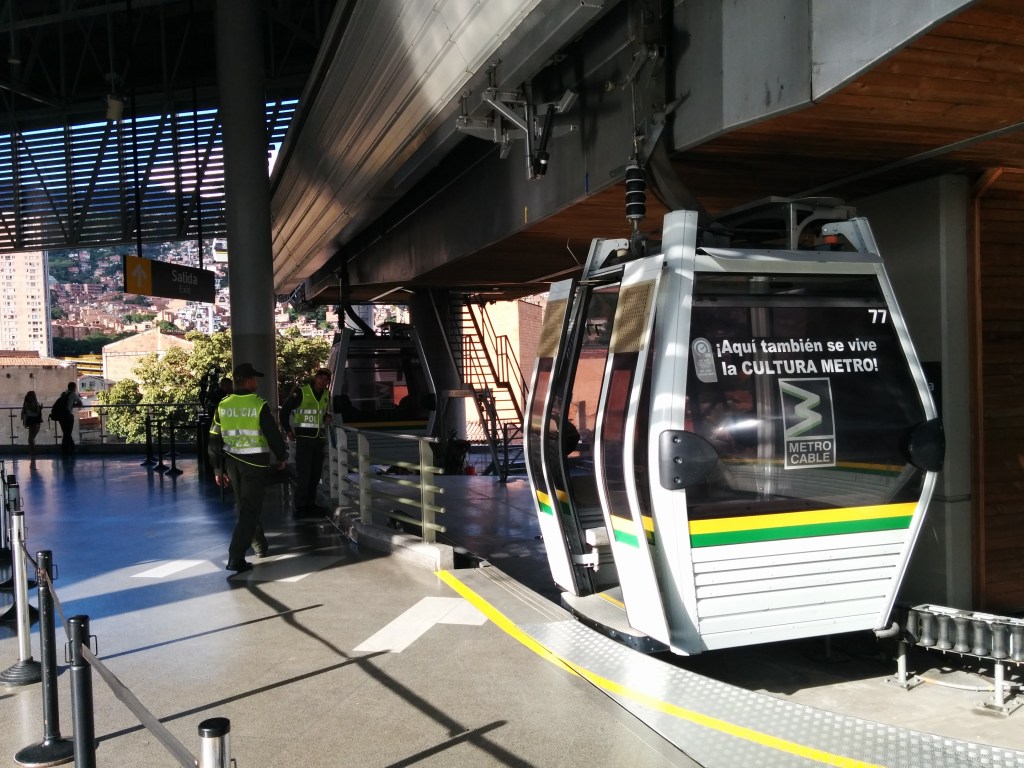
Medellín has an excellent public transit system that includes Metrocable (or, aerial cable cars) that serve hillside residents. These neighbourhoods tend to be low-income. When opened in 2004, the first Metrocable line reduced commute times from 2 hours to 20 minutes, making it easier for these individuals to traverse their communities’ hilly terrains. The city has six Metrocable lines. A simple form of public transportation can unlock economic opportunities for the poorest.
Before my trip, I wrote to a group of urbanists in Medellín to learn about the city’s transformation. I met Laura Upegui, an architect who showed me around Comuna 13 or, La 13. This is an area where Carlos Escobar, an architect recommended putting escalators to help residents reduce their commute times. The escalators take 6 minutes to go up the equivalent of 28 storeys. Previously, residents would have had to travel this by foot. The escalators have been credited with improving safety and have been replicated elsewhere.
Comuna 13, was the scene of violence tied to guerrillas and drug trafficking in the late 20th-century and early 21st-century. In 2002, then-President Álvaro Uribe authorized Operación Orión. This was a military operation where members of Colombia’s national law enforcement agencies engaged in armed conflict in the neighbourhood that resulted in deaths, disappearances and imprisonments. There were also disappearances that happened after this military operation.
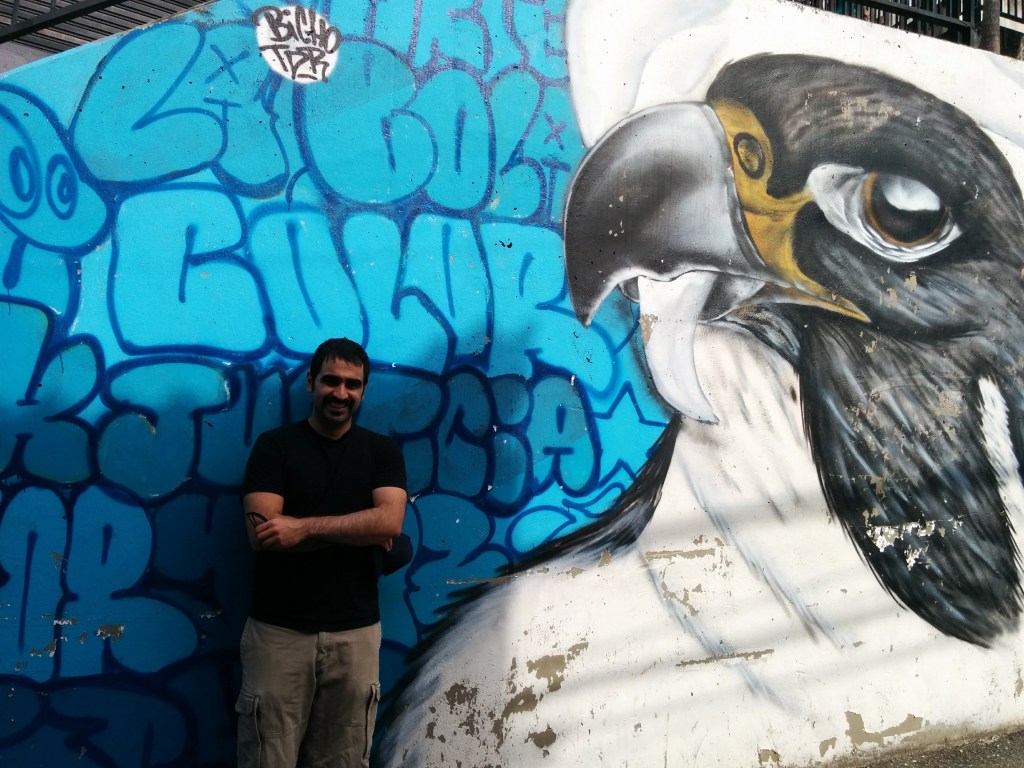
More recently, Comuna 13 has become globally-known for its graffiti murals that attract thousands of tourists daily during peak season. This has created a local tourist-based economy that is contributing to an increase of creativity among locals. I remain grateful to Urbano Medellín for putting me in touch with Laura.
Art scene
Laura put me in touch with Árbey Gomez, a photographer and cultural curator. He showed me around his neighbourhood. We visited the Moravia Cultural Development Centre (Centro de Desarrollo Cultural de Moravia), which was a hub of activity on a Saturday afternoon. The centre opened in 2008 and came out of community advocacy. This place felt more alive than your average community centre as if it was a real place for art and creativity.
Árbey invited me to a party with local artists and musicians that evening. One electronica act, Agatha I, really impressed me. Their adolescent precociousness indicated that this duo was unaware of their level of talent. Check them out and their music.
Bottom-up urbanism
Árbey grew up in Moravia, a neighbourhood that was partly built on a landfill. It started as an informal community on Medllín’s outskirts. Informal settlements are common on the outskirts of Latin America’s metropolises. Rural individuals flock to these cities for economic opportunities, where they tend to be concentrated.
You can imagine the health risks that settling on a landfill would have entailed. This area is known as El Morro de Moravia (Moravia Hill). The local authorities wanted them off. In 2006, the area was declared a public disaster by Colombia’s Ministry of Interior and Justice. An environmental recovery plan was put in place afterwards.
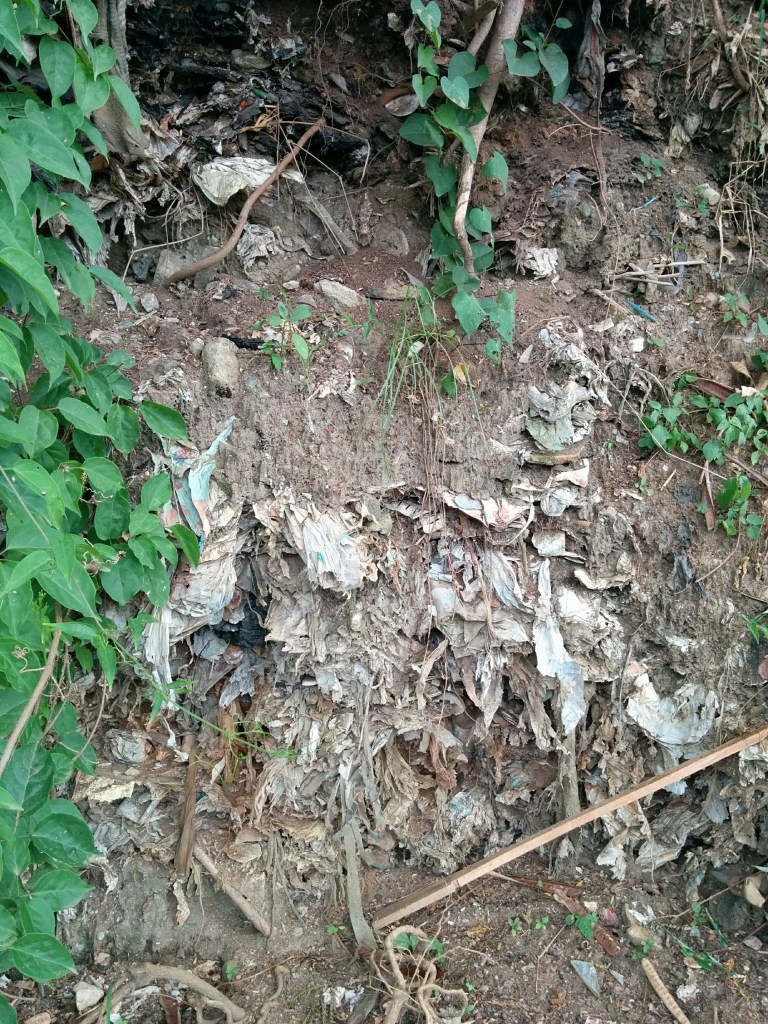
Árbey no longer lives there. He showed me around the former landfill in Moravia. Seeing garbage in various stages of decomposition was striking. A stark reminder of what happens to many of the consumer products after we use them.
At the top of the hill is a nursery run by Cojardicom (Facebook, Instagram), a cooperative business led by women and mothers from the community. The landscape leading there is a tapestry of plant beds until it crests to the nursery. Matriarchs described the nursery’s back story, how they learned to grow the plants and to run the cooperative’s business side.

The trip showed me how a socially conscious approach to city building can help to lift everyone up. Technology has been tactically applied to enable mobility of all kinds, providing lessons to those who want to implement technologies in cities. There are lessons that all cities who want to take care of all of their citizens can apply. The proof is in the inspiration cities globally have drawn from what this city has already done.
This post is dedicated to the women who led the advocacy and run Cojardicom.
