Lots has been written about Detroit’s “comeback” in recent years. After years of economic decline, the city saw a boost of investment after the 2007-2008 financial crisis. Urbanists have flocked to document what a post-industrial economic revival can look like. I made the trip in spring 2019 to see what the fuss was about.
Initial Observations
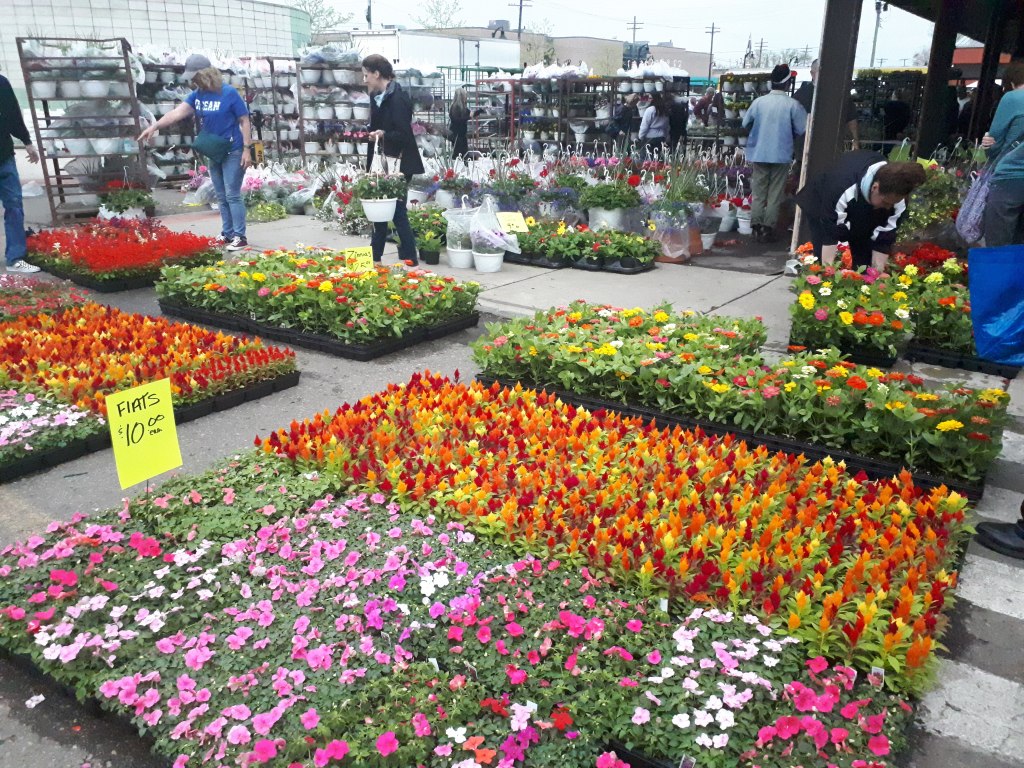
I observed that neighbourhoods like Corktown and downtown had benefited from increased economic activity. There were numerous restaurants and small businesses open. You could tell that numerous homes had been fixed up. There was a buzz around the downtown when the Tigers were playing. The activity was also evident by the famous Flower Day at the Eastern Market happening that weekend. Just in time for Mother’s Day.
Architecture
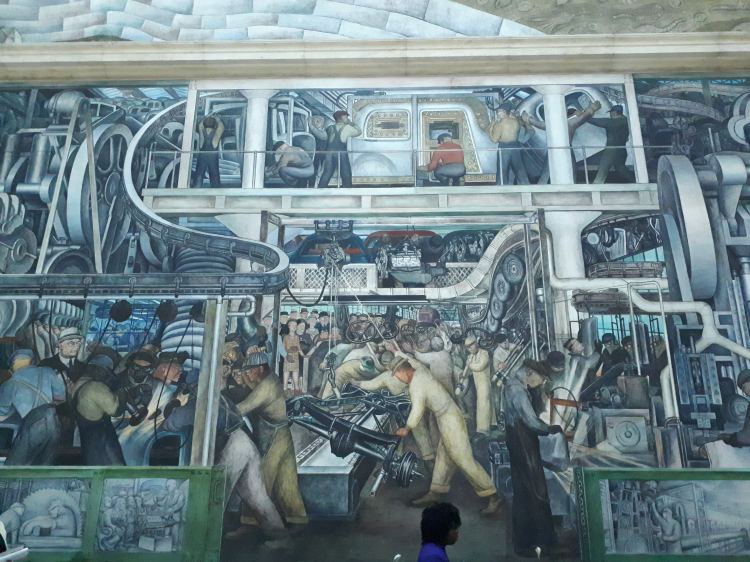
Detroit has architectural gems from the early 20th-century. It was living through its heyday thanks to the automotive industry. The Fisher Building, the Detroit Institute of Arts, the Detroit Museum and the Detroit Public Library are evidence of this era of prosperity. These beautiful structures also serve important functions today as anchors of cultural and economic activity.
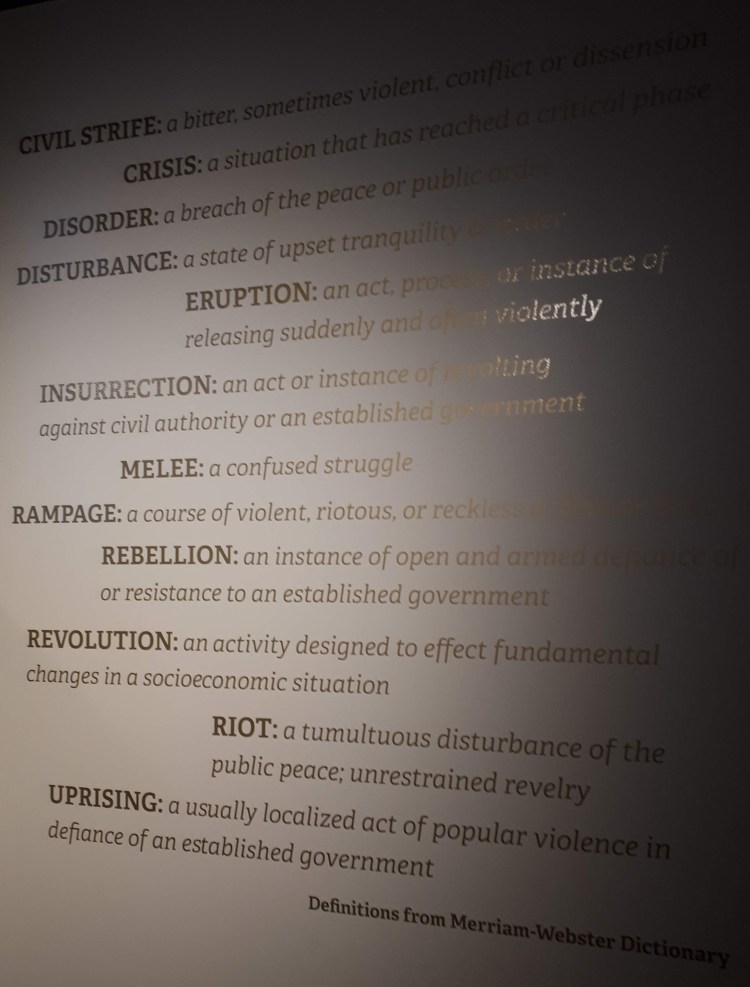
The Detroit Museum had an engrossing multimedia exhibit about the 1967 riot (or, rebellion). The name is controversial since the event has been popularly known as a riot. The exhibit made the case for it being called a rebellion. It also offered the definition of other forms of civil disobedience.
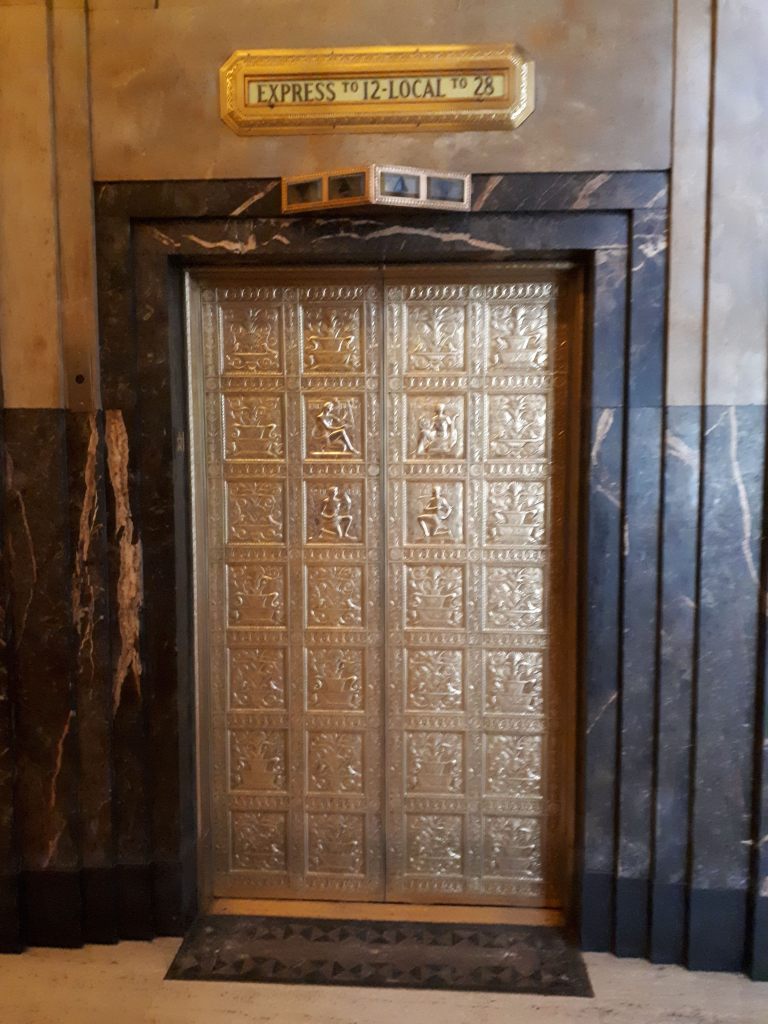
The Fisher Building was built in a beautiful Art Deco style and houses a theatre. Jersey Boys was on that day. I had never seen such a beautiful box office. In its grand foyer hang paintings recounting the city’s Civil Rights and Black histories. The representation of these histories was a theme that I noticed across different cultural institutions and public spaces in Detroit. I liked learning about the history and the artists behind the paintings.
For better or for worse, there was a lack of pedestrian or car traffic in the building’s vicinity on a Saturday afternoon. Once the theatregoers emptied out, there was a blip in activity. It went back to its calm rhythm afterwards.
Seeing the imposing Michigan Central Station in 2019 was a visceral experience as it was abandoned for years. After years of neglect, it was restored by the Ford Motor Company over six years. The building has become the centrepiece of a mobility innovation hub.
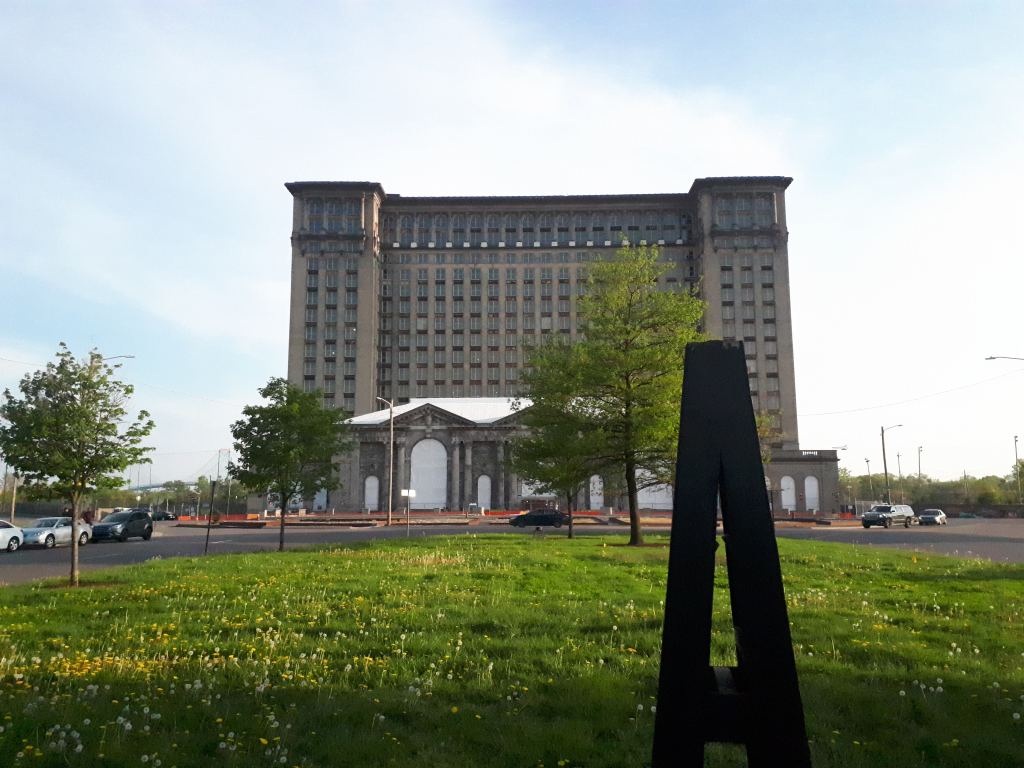
Black history is centred in the adjacent Rosa Parks Park with giant letters spelling out the Civil Rights icon’s name. It is worth noting that Ford is working to include the Black community in the Michigan Central district. The first tenant was a computer science program focused on helping Black, Latinx and Indigenous students pursue careers in technology. Ford also supported the making of the PBS documentary “Great Migrations: A People on the Move” which details the African American population’s migration across the U.S.
The Heidelberg Project
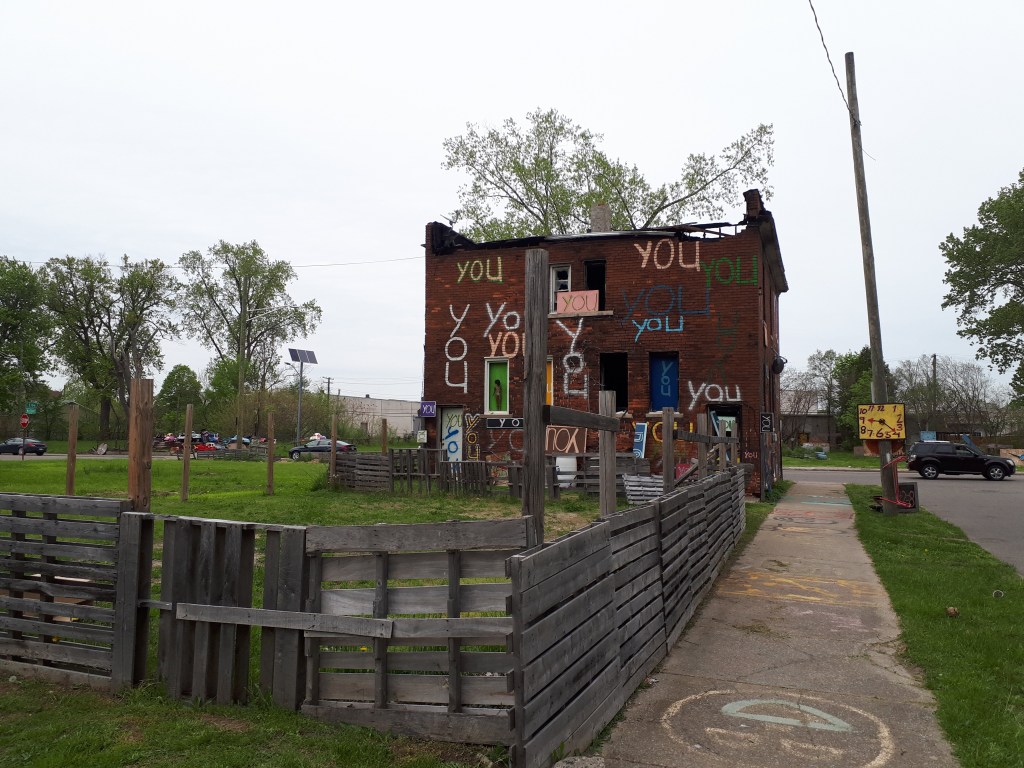
In contrast to the DIA, this is a real-life, mixed-media art installation occupying numerous housing lots. The art provides poignant social commentary. The artist is an intelligent, entrepreneurial and affable gentleman, who told us what a shame it is that more architectural gems could not have been preserved in Detroit. Several buildings have been lost to demolition and redevelopment projects in recent years. For example, The Heidelberg Project had been rumoured to be closing down soon for years. Fortunately, their website continues to exist and there is recent activity on their social media accounts.
Motown
My trip coincided with the Motown Museum’s Founders’ Day celebrations, which had live concerts and activities. This event was a highlight given Motown music’s global cultural reach and influence. It was special to be in the vicinity of where Motown legends recorded massive hits. Among the day’s festivities, the performance by local musician Microphone Phelps stood out. During the bridge of one of his songs, he mentions how Detroit has “always been here” and not to ignore who has been through thick and thin in that city. This was an obvious reference to talk in recent years of Detroit’s “comeback” or its “revitalization”. It was a powerful performance that left an impression on me about the city and this narrative. Watch the video until the end. You can get a flavour for the celebrations here.
COVID-19
My visit happened less than a year before COVID-19, which hit Detroit hard. The city’s celebrated economic recovery was negatively affected during the pandemic’s early stages. Detroit’s economic divides and racial disparities were exacerbated. Before the pandemic an estimated 74% of Detroit households could not meet their most basic needs. The United Way has created a category called Asset Limited, Income Constrained, Employed (ALICE) that measures data for those above the U.S. Federal Poverty level but struggling to afford basic expenses. The United for ALICE initiative data shows a slight increase of those in the ALICE and poverty categories in Wayne County, where Detroit is located, in 2023 versus 2019.
Conclusion
What I discovered during my trip was that despite its growing popularity and gentrifying neighbourhoods, it seems like Detroit had never gone anywhere. As the narrative about a “resurgence” or “come back” persists, it’s worth remembering the Detroiters that were always there, particularly its significant African-American population. The raw materials are there for Detroit to succeed. Its civic champions are doing their level best to make the city be the best version of itself. What Detroit can teach us is how to find the best in our communities. By leaning in, we can help to make them the best that they can be.
Microphone Phelps’ Bandcamp: https://microphonephelps.bandcamp.com/album/before-you-come-in
Microphone Phelps performs “Sunny”: https://michiganology.org/stories/microphone-phelps/
